



Product Description
|
Molecular Formula |
C4H6O2 |
|
Molecular Weight |
86.09 g/mol |
| CAS |
110-65-6 |
| EINECS |
203-788-6 |
| Appearance |
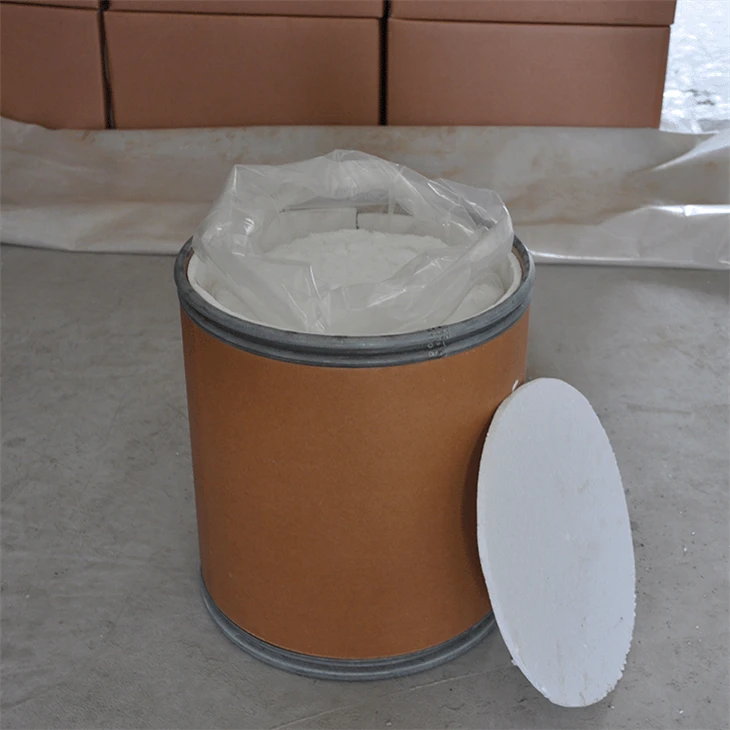
White crystalline powder |
|
Boiling Point |
238 ℃ |
|
Melting Point |
58 ℃ |
|
Flash Point |
152 ℃ |
|
Density |
1.11 g/cm3 (at 20 ℃) |
|
IUPAC Name |
but-2-yne-1,4-diol |
|
Purity |
98% min |
Product Information
1,4-Butynediol is an organic compound with the chemical formula C4H6O2. It is a white to slightly yellow crystalline powder, readily soluble in water, methanol, and ethanol, but insoluble in ether and benzene. It is mainly used in organic synthesis and also as a brightener in electroplating.
1,4-Butynediol can be used to manufacture a series of important organic products, including butenyl glycol, butanediol, n-butanol, dihydrofuran, tetrahydrofuran, and pyrrolidone. Further applications include the production of synthetic plastics, synthetic fibers (nylon-4), artificial leather, pharmaceuticals, pesticides, solvents (N-methylpyrrolidone), and preservatives. 1,4-Butynediol itself is a good solvent and is used as a brightener in the electroplating industry.
Application
1. Electroplating Industry
This is the main application area of 1,4-butynediol, widely used as a brightener.
In acidic nickel plating: Adding a very small amount of 1,4-butynediol during nickel plating can significantly improve the brightness, smoothness, and ductility of the coating. It can be adsorbed onto the cathode (workpiece) surface, inhibiting the excessively rapid deposition of nickel ions, resulting in a finer and more uniform crystallization of the coating, thus achieving a mirror-like bright effect.
In alkaline zinc plating: It is also a commonly used brightener component in cyanide zinc plating and cyanide-free alkaline zinc plating solutions, producing a bright and fine zinc coating.
2. Core Intermediate for Synthesizing Advanced Chemicals
Through reactions such as hydrogenation, two extremely important chemical products can be produced:
1,4-Butanediol: This is the most important downstream product of 1,4-butynediol. Selective catalytic hydrogenation can efficiently convert butynediol to 1,4-butanediol.
2-Buten-1,4-diol: This is an intermediate in the hydrogenation process and is itself a useful chemical intermediate.
3. In the pharmaceutical field, it serves as a raw material or intermediate in the synthesis of various drug molecules.
4. In the pesticide industry, its derivatives are used to develop highly effective herbicides and defoliants.
5. In the field of preservatives, butynediol is used to synthesize impregnating preservatives, extending the service life of materials.
6. Its solvent properties make it suitable as a reaction medium or additive in fine chemicals, while its role as a polymerization catalyst allows for the control of molecular structure and properties.
7. This substance can also be used to produce industrial additives such as corrosion inhibitors and plastic curing agents and to prepare functional materials through derivatization reactions.
COA
|
Item |
Standard | Result |
| Appearance | White or yellowish crystalline powder | White crystalline powder |
| Content | ≥98% | 98.63% |
|
Conclusion: Excellent grade |
||
|
Storage: First keep it away from the light, in a cool place. The indoor temperature isn't higher than 18℃, the shelf life is 3 months |
||
Synonyms
2-Butyne-1,4-diol, 110-65-6, But-2-yne-1,4-diol, Butynediol, 1,4-Dihydroxy-2-butyne
Methods of Manufacturing
1,4-Butynediol is typically prepared using the acetylene-formaldehyde synthesis method and the paraformaldehyde atmospheric pressure solvent method.
The acetylene-formaldehyde synthesis method refers to the process of producing 1,4-butynediol through a chemical reaction using acetylene and formaldehyde as raw materials and butynone as a catalyst.
The paraformaldehyde atmospheric pressure solvent method refers to the method of producing 1,4-butynediol through chemical reactions, filtration, concentration, and crystallization using paraformaldehyde and cyclohexanone as raw materials and copper acetylene as a catalyst.
Packaging
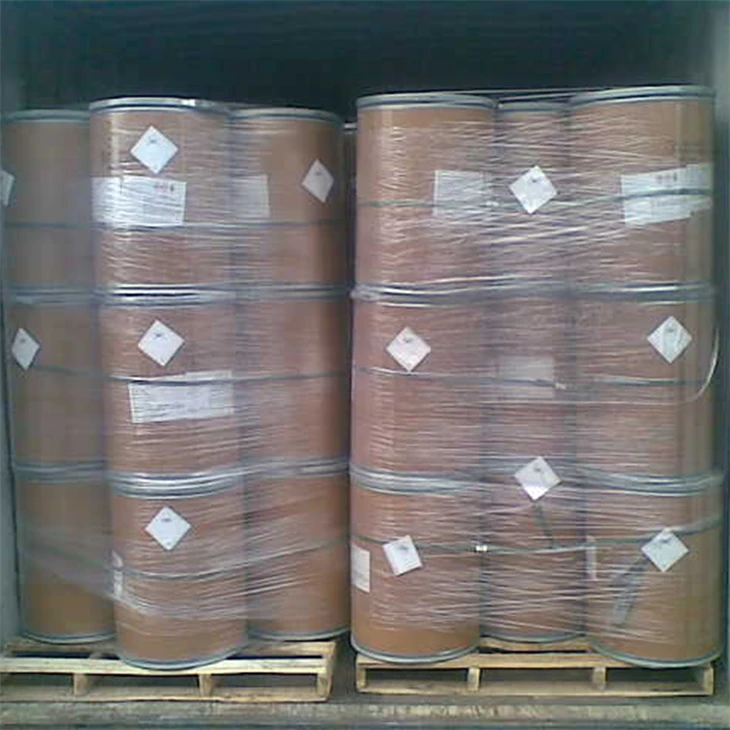
200kg/drum, 1FCL=16MT
or 40kg/drum, 1FCL=12MT
Handling and Storage
Precautions
Keep locked up. Keep away from heat. Keep away from sources of ignition. Empty containers pose a fire risk, evaporate the residue under a fume hood. Ground all equipment containing material. Do not ingest. Do not breathe dust. In case of insufficient ventilation, wear suitable respiratory equipment. If ingested, seek medical advice immediately and show the container or the label. Avoid contact with skin and eyes.
Storage
Keep container tightly closed. Keep container in a cool, well-ventilated area.
Purchasing 1,4-Butynediol from Sinoright
Why Choose Sinoright
- A complete supply chain system ensures on-time delivery
- Guaranteed goods match the actual shipment and that each batch meets quality requirements
- Flexible payment methods: T/T, L/C, D/P, D/A, O/A, Ali Pay
- Professional service team providing after-sales support.
Hot Tags: 1,4-Butynediol CAS:110-65-6, China 1,4-Butynediol CAS:110-65-6 manufacturers, suppliers, factory, 20 potassium hydroxide, 1 naphthalene, dichlorodiphenyltrichloroethane, potassium hydroxide 85, trimellitic acid anhydride, 2 chloro 4 fluorotoluene


