

Phosphate is a crucial mineral resource with a wide range of applications, from agricultural fertilizers to various industrial and food - grade products. As a phosphate supplier, I have witnessed firsthand the numerous challenges that are inherent in the extraction of phosphate. These challenges span environmental, technical, and economic aspects.
Environmental Challenges
One of the most significant hurdles in phosphate extraction is its environmental impact. Phosphate mines often lead to extensive land degradation. The process of open - pit mining, which is a common method for extracting phosphate, involves the removal of large amounts of overburden - the layer of soil and rock covering the phosphate deposits. This destroys natural habitats and disrupts ecosystems. Many species of plants and animals that rely on the affected areas for survival are displaced or even face extinction.
Moreover, phosphate extraction can cause water pollution. Phosphate ores usually contain heavy metals such as cadmium, lead, and uranium. During the extraction process, these heavy metals can be released into nearby water bodies. When the mining activities use large amounts of water for processing the ore, the wastewater often contains high concentrations of these contaminants. If not properly treated, this polluted water can contaminate rivers, lakes, and groundwater sources. The presence of heavy metals in water can have severe health impacts on humans and wildlife. For example, cadmium can cause kidney damage, and lead can affect the nervous system, especially in children.
Another environmental concern is the generation of phosphogypsum, a by - product of phosphate processing. Phosphogypsum contains radioactive elements, such as radium - 226, in addition to heavy metals. The large - scale storage of phosphogypsum in stacks poses a long - term environmental risk. There is a potential for the leaching of these harmful substances into the soil and water over time.
Technical Challenges
The geological nature of phosphate deposits presents significant technical challenges. Phosphate ores can vary widely in their composition and quality. Some deposits are of low - grade, meaning they contain a relatively small percentage of phosphate. Extracting phosphate from low - grade ores requires more energy - intensive processes. For instance, additional crushing and grinding may be needed to liberate the phosphate minerals from the surrounding rock. This not only increases the energy consumption but also raises the cost of production.
The beneficiation process, which is used to increase the phosphate content in the ore, is also complex. Different types of phosphate ores require different beneficiation techniques. For example, some ores may be amenable to flotation, a process where chemicals are added to the ore slurry to make the phosphate particles attach to air bubbles and rise to the surface. However, the effectiveness of flotation depends on the surface properties of the phosphate minerals and the gangue (the unwanted rock material). In some cases, the presence of certain impurities can interfere with the flotation process, making it difficult to achieve the desired phosphate grade.
In addition, the extraction process often takes place in harsh environments. Mines may be located in remote areas with extreme weather conditions, such as high temperatures, heavy rainfall, or strong winds. These conditions can affect the operation of mining equipment. High temperatures can cause overheating of machinery, while heavy rainfall can lead to flooding in the mines, disrupting the extraction process. Maintaining and operating equipment in such challenging environments requires careful planning and significant investment.
Economic Challenges
The economic viability of phosphate extraction is also under constant threat. The price of phosphate products is highly volatile in the global market. It is influenced by factors such as supply and demand dynamics, changes in agricultural policies, and fluctuations in the exchange rates. For example, an increase in the global production of phosphate fertilizers can lead to an oversupply in the market, causing prices to drop. On the other hand, changes in agricultural subsidies in major consuming countries can affect the demand for phosphate - based products.
The high cost of extraction and processing is another economic challenge. As mentioned earlier, extracting phosphate from low - grade ores and dealing with complex beneficiation processes require significant investment in equipment, energy, and labor. Moreover, environmental regulations are becoming increasingly strict, which means that mining companies have to spend more on environmental protection measures, such as wastewater treatment and land reclamation. These additional costs can eat into the profit margins of phosphate extraction operations.
Transportation costs also play a crucial role. Phosphate mines are often located far from the end - users, such as fertilizer factories or food processing plants. Transporting large quantities of phosphate ore or products over long distances can be expensive, especially when considering the cost of fuel and the need for specialized transportation infrastructure.
Product - related Challenges
In the food - grade phosphate market, there are strict quality requirements. Different food applications demand phosphates with specific chemical compositions and purity levels. For instance, Dicalcium Phosphate CAS:7757 - 93 - 9, Sodium Dihydrogen Phosphate CAS:7558 - 80 - 7, and Tricalcium Phosphate CAS:7758 - 87 - 4 are all important food - grade phosphates. Producing these products to meet the exacting standards for food use is challenging.
Contamination risks are a major concern. Even trace amounts of heavy metals or other impurities in food - grade phosphates can render the products unsafe for consumption. Extensive purification steps are required to remove these contaminants, which further adds to the production cost and complexity.
Future Outlook and Solutions
Despite these challenges, there are several potential solutions. In terms of environmental concerns, sustainable mining practices are being developed. This includes better land reclamation techniques, where mined areas are restored to a more natural state after the extraction is completed. There are also efforts to develop more efficient processes for treating wastewater and managing phosphogypsum. For example, research is being conducted to find ways to use phosphogypsum in construction materials, which can reduce the need for large - scale storage.
Technologically, advancements in mining and beneficiation technologies can help improve the efficiency of phosphate extraction. New exploration techniques can be used to identify higher - grade phosphate deposits, reducing the need to work with low - grade ores. In addition, automation and robotics can be introduced to mining operations, which can improve safety and productivity, especially in harsh environments.
From an economic perspective, diversification of products and markets can help reduce the impact of price volatility. For example, phosphate suppliers can explore new applications for phosphate, such as in the production of clean energy storage materials. In addition, strategic partnerships with other companies in the supply chain can help reduce costs through shared resources and expertise.

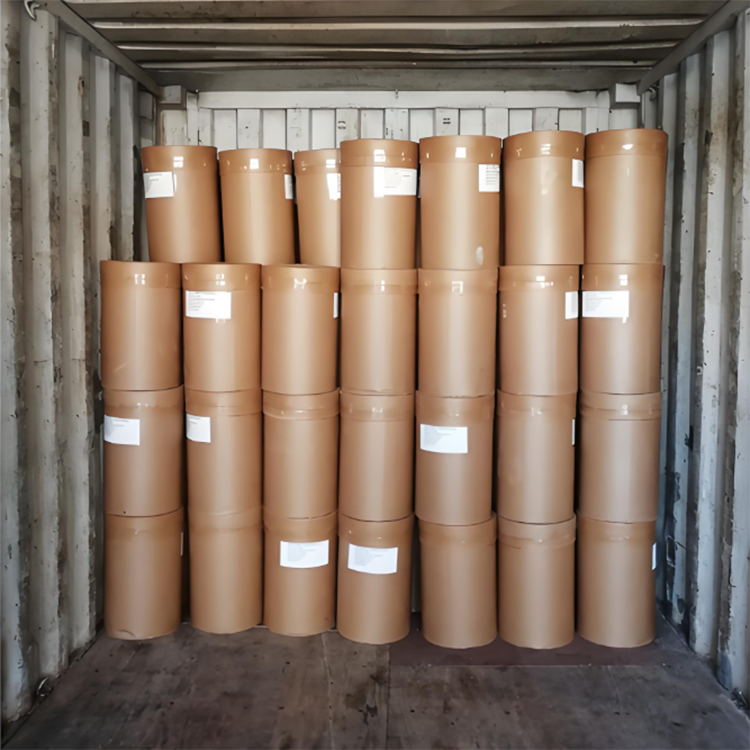
Contact for Purchase and Discussion
If you are interested in our phosphate products and would like to learn more about how we are addressing these challenges in the extraction process, we are more than willing to have in - depth discussions with you. Whether you need information on food - grade phosphates, industrial - grade phosphates, or other related products, feel free to reach out. We are committed to providing high - quality phosphate products and excellent customer service.
References
- Smith, J. (2018). Environmental Impacts of Phosphate Mining. Journal of Environmental Science, 25(3), 123 - 135.
- Johnson, M. (2019). Technical Challenges in Phosphate Extraction. Mining Engineering Review, 32(2), 78 - 90.
- Brown, A. (2020). Economic Trends in the Phosphate Market. International Mineral Economics Journal, 18(4), 56 - 70.