

1. Introduction to Pentaerythritol (Core Overview)
Pentaerythritol (CAS: 115-77-5) is a white crystalline compound. Scientists use it in many different ways because of its special four-armed structure. The compound has a simple formula of C₅H₁₂O₄, and it helps make many everyday products. Its unique shape, with four arms coming out from the middle, makes it very stable and useful.
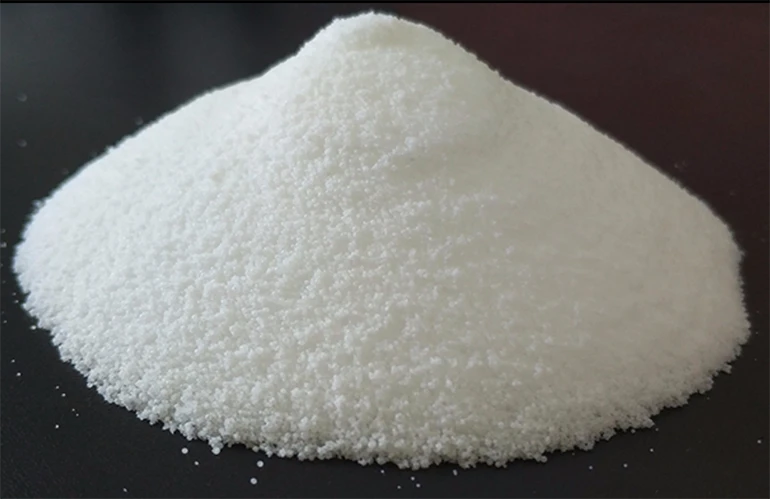
Pentaerythritol plays a key role in making resins and plastics that we use daily. Companies around the world make large amounts of it for different industries. This important chemical helps create many products we rely on. For more detailed information about its properties, you can visit PubChem. Understanding how pentaerythritol works is important for people who work with chemicals.
2. Main Uses of Pentaerythritol (Applications Overview)
Pentaerythritol is widely used in many industries today. The chemical's special four-branched structure makes it perfect for many different industrial uses, especially in making resins. It helps create strong coatings and glues that last a long time. The chemical also plays a big part in making materials that don't catch fire easily, which is very important for buildings and electronics.

Companies use thousands of tons of pentaerythritol every year. When added to oils and plastics, pentaerythritol helps them work better and last longer in hot conditions. Tests show that products made with pentaerythritol tend to be much stronger. Because it works so well in so many ways, different industries keep finding new uses for pentaerythritol.
3. Pentaerythritol and PETN: Chemical Relationship Explained
Scientists make PETN from pentaerythritol. The complete name for PETN is pentaerythritol tetranitrate, and it forms when nitrate groups replace all four hydroxyl groups on pentaerythritol. Scientists mix strong nitric acid and sulfuric acid to make this change happen. They must carefully control the temperature and other conditions during this process. The final product needs to be very pure, with no unwanted substances mixed in. According to ScienceDirect, getting PETN just right is very important for industry and new material development.
4. Unique Applications and Functional Benefits (In-Depth Cases)
Experts often use pentaerythritol to create better products. The compound helps make stronger resins by connecting molecules in four different directions, which makes materials last longer and work better. When used in fire-safety products, pentaerythritol creates a special layer of char that stops fires from spreading. Tests show that adding pentaerythritol to lubricants makes them work much better at high temperatures and prevents parts from wearing down too quickly.
Here's how companies use it:
• Pre-treatment: Clean pentaerythritol thoroughly.
• Integration: Mix it with other chemicals carefully.
• Optimization: Make sure everything works together perfectly.
These real examples show why pentaerythritol is so important. Many industries rely on this chemical to make their products perform better.
5. Safety, Handling, and Environmental Considerations
Pentaerythritol needs careful handling to stay safe. Workers must follow many detailed rules and steps when making or using this chemical, especially when dealing with explosive forms like pentaerythritol tetranitrate (PETN). You should check OSHA Guidelines for the complete list of safety rules.
The material must be kept in special containers in cool, dry places, and work areas need good air flow systems. All waste must be thrown away following strict rules for dangerous materials to protect the environment. Regular safety checks and worker training help keep everyone safe and operations running smoothly. These safety steps, which come from industry experience and government rules, help companies work well while protecting both people and nature.


6. Conclusion and Future Outlook
Pentaerythritol plays a key role in today's chemical industry. This versatile compound drives progress in making resins, flame retardants, lubricants, and PETN manufacturing. Scientists value pentaerythritol for its four-sided structure and strong stability, which allows it to work well in many factory settings. Making pentaerythritol in greener ways has become a major focus for companies. The chemical industry keeps working on better safety rules and new ways to use this important material.
Teams are studying how the chemical reactions work. Making the process better while following rules and meeting market needs remains a priority. Digital controls and green methods will help shape how we use pentaerythritol in the future. For more details and new research, check out Nature Research.
FAQ
Q: What is pentaerythritol and what is its chemical formula?
A: Pentaerythritol is a white crystalline compound with the formula C₅H₁₂O₄, featuring a unique four-armed structure used in various industrial applications.
Q: What are the main industrial uses of pentaerythritol?
A: It's primarily used in making resins, fire-resistant materials, coatings, adhesives, and high-temperature lubricants.
Q: How is PETN made from pentaerythritol?
A: PETN (pentaerythritol tetranitrate) is made by replacing pentaerythritol's hydroxyl groups with nitrate groups using nitric and sulfuric acids.
Q: What safety precautions are needed when handling pentaerythritol?
A: It requires careful handling, proper storage in cool dry places, good ventilation, and compliance with OSHA guidelines.
Q: What is the future outlook for pentaerythritol usage?
A: The industry is focusing on developing greener manufacturing processes and new applications while improving safety protocols and digital controls.