


Product Information
Sodium saccharin is the sodium salt of saccharin (E954), a non-nutritive artificial sweetener approximately 300–500 times sweeter than sucrose. It is a white, odorless crystalline powder with excellent water solubility and thermal stability.
Sodium saccharin is commercially available in two forms:
- Sodium Saccharin Dihydrate - CAS 6155-57-3, molecular formula C₇H₄NNaO₃S·2H₂O, molecular weight 241.20 g/mol. This is our standard stock product.
- Sodium Saccharin Anhydrous - CAS 128-44-9, molecular formula C₇H₄NNaO₃S, molecular weight 205.17 g/mol. Available upon request.
Both forms are widely used in food & beverage, pharmaceutical, oral care, electroplating, and animal feed applications. Detailed specifications for each form are provided below.
Product Specification
Sodium Saccharin Dihydrate (CAS 6155-57-3)
|
Parameter |
Specification |
|
CAS No. |
6155-57-3 |
|
Molecular Formula |
C₇H₄NNaO₃S·2H₂O |
|
Molecular Weight |
241.20 g/mol |
|
EINECS No. |
228-261-5 |
|
E Number |
E954 |
|
Appearance |
White crystalline powder or colorless crystals |
|
Assay (Content) |
99.0 – 101.0% |
|
Loss on Drying |
≤ 15% |
|
Melting Point |
226 – 230 °C (decomposes) |
|
Solubility |
Freely soluble in water; sparingly soluble in ethanol |
|
pH (10% solution) |
5.0 – 7.0 |
|
Heavy Metals (as Pb) |
≤ 10 ppm |
|
Arsenic (As) |
≤ 2 ppm |
|
Lead (Pb) |
≤ 1 ppm |
|
Selenium (Se) |
≤ 25 ppm |
|
p-Toluene Sulfonamide |
≤ 10 ppm |
|
o-Toluene Sulfonamide |
≤ 10 ppm |
|
Benzoic Acid-Sulfonamide |
≤ 25 ppm |
|
Shelf Life |
2 years in original sealed packaging |
|
Particle Size (Available) |
4-6, 5-8, 6-10, 8-12, 8-16, 10-20, 20-40, 40-80, 80+ mesh |
|
Standards |
BP, USP, FCC, E954 |
Sodium Saccharin Anhydrous (CAS 128-44-9)
|
Parameter |
Specification |
|
CAS No. |
128-44-9 |
|
Molecular Formula |
C₇H₄NNaO₃S |
|
Molecular Weight |
205.17 g/mol |
|
EINECS No. |
204-886-1 |
|
E Number |
E954 |
|
Appearance |
White crystalline powder |
|
Assay (Content) |
99.0 – 101.0% |
|
Loss on Drying |
≤ 6% |
|
Melting Point |
226 – 230 °C (decomposes) |
|
Solubility |
Freely soluble in water; sparingly soluble in ethanol |
|
pH (10% solution) |
5.0 – 7.0 |
|
Heavy Metals (as Pb) |
≤ 10 ppm |
|
Arsenic (As) |
≤ 2 ppm |
|
Lead (Pb) |
≤ 1 ppm |
|
Selenium (Se) |
≤ 25 ppm |
|
p-Toluene Sulfonamide |
≤ 10 ppm |
|
o-Toluene Sulfonamide |
≤ 10 ppm |
|
Benzoic Acid-Sulfonamide |
≤ 25 ppm |
|
Shelf Life |
2 years in original sealed packaging |
|
Standards |
BP, USP, E954 |
Note: COA (Certificate of Analysis) is provided with every shipment. A representative COA is available upon request.
Grade Comparison
|
Grade |
Purity |
Standards |
Typical Applications |
|
BP/USP/EP |
99.0–101.0% |
British Pharmacopoeia / United States Pharmacopoeia / European Pharmacopoeia |
Food & beverage, pharmaceuticals, oral care |
|
FCC / Food Grade |
99.0–101.0% |
Food Chemicals Codex, GB 1886.18 |
Food processing, beverages, condiments, bakery |
|
Industrial Grade |
≥ 98.0% |
- |
Nickel electroplating brightener |
|
Feed Grade |
≥ 98.0% |
- |
Animal feed palatability enhancer |

Applications
Food & Beverage
Sodium saccharin is one of the most widely used high-intensity sweeteners in the global food industry. It provides zero-calorie sweetness and remains stable under high-temperature processing (baking, pasteurization) and low-pH conditions (carbonated beverages, fruit preserves). Typical applications include carbonated and still beverages, baked goods, cookies and pastries, candies, chewing gum and confectionery, jams, jellies and preserved fruits, table-top sweeteners and sugar substitutes, and condiments, sauces and pickled products. Typical usage level: 0.015–0.5% depending on application and local regulatory limits. Sodium saccharin is often blended with other sweeteners (such as cyclamate, aspartame, or sucralose) to achieve a more sugar-like taste profile and mask the slight metallic aftertaste at high concentrations.
Pharmaceutical
In the pharmaceutical industry, sodium saccharin is used as a flavoring agent and taste-masking excipient in oral liquid formulations (syrups, suspensions, oral drops), chewable tablets and lozenges, effervescent granules and powders, and pediatric and geriatric formulations. It is listed in BP, USP, and EP pharmacopoeias as an approved pharmaceutical excipient. Its excellent stability and compatibility with most active pharmaceutical ingredients make it a reliable choice for oral dosage forms.
Oral Care & Cosmetics
Sodium saccharin is a preferred sweetener in oral care products because it is non-cariogenic - unlike sugar, it does not promote tooth decay. It is widely used in toothpaste and tooth powders, mouthwash and oral rinses, and breath fresheners and dental floss coatings. Typical concentration: 0.05–0.2%. It is approved for cosmetic use by FDA, EU CosIng, and China's NMPA.
Electroplating Industry
In metal finishing, sodium saccharin serves as a secondary brightener and grain refiner in nickel electroplating baths. It improves deposit brightness and leveling, enhances ductility and reduces internal stress, and produces a fine-grained, smooth nickel deposit. Typical dosage: 0.5–5 g/L in the plating bath. It is compatible with most commercial nickel plating formulations.
Animal Feed
As a feed sweetener, sodium saccharin improves feed palatability and intake, particularly for young animals during weaning and transition periods. Applications include piglet starter feeds and creep feeds, calf milk replacers, pet food and treats, and medicated feed (masking bitter taste of medications). Typical dosage: 50–200 g/ton of complete feed.
Why Choose Sinoright?
Reliable Quality
Every batch is tested in our partner factory's QC laboratory (equipped with HPLC, UV-Vis spectrophotometer, moisture analyzer, etc.) before shipment, ensuring full compliance with BP/USP/EP/FCC standards. A detailed COA is provided with each order.
Direct Factory Pricing
As a professional China exporter, we offer factory-direct prices without middlemen markup. Our stable mass supply and competitive bulk pricing help you reduce overall procurement costs significantly.
Certified Supply Chain
We are ISO 9001:2015, FSSC 22000, KOSHER, and HALAL certified, giving you full traceability and regulatory confidence.
Extensive Export Experience
Since 2011, we have built lasting partnerships with customers across 70+ countries in North America, Europe, Southeast Asia, the Middle East, Africa, and South America.
Flexible Product Range
We supply both dihydrate and anhydrous forms, across a wide range of particle sizes (4-6 mesh to 80+ mesh), in multiple grades (BP/USP, FCC, food, industrial, feed), and various packaging options.
Responsive Service
Quick quote within 24 hours, lead time of 7–10 days, and free samples (up to 500 g) available for quality evaluation.

High-efficiency centrifuges for sodium saccharin solid-liquid separation

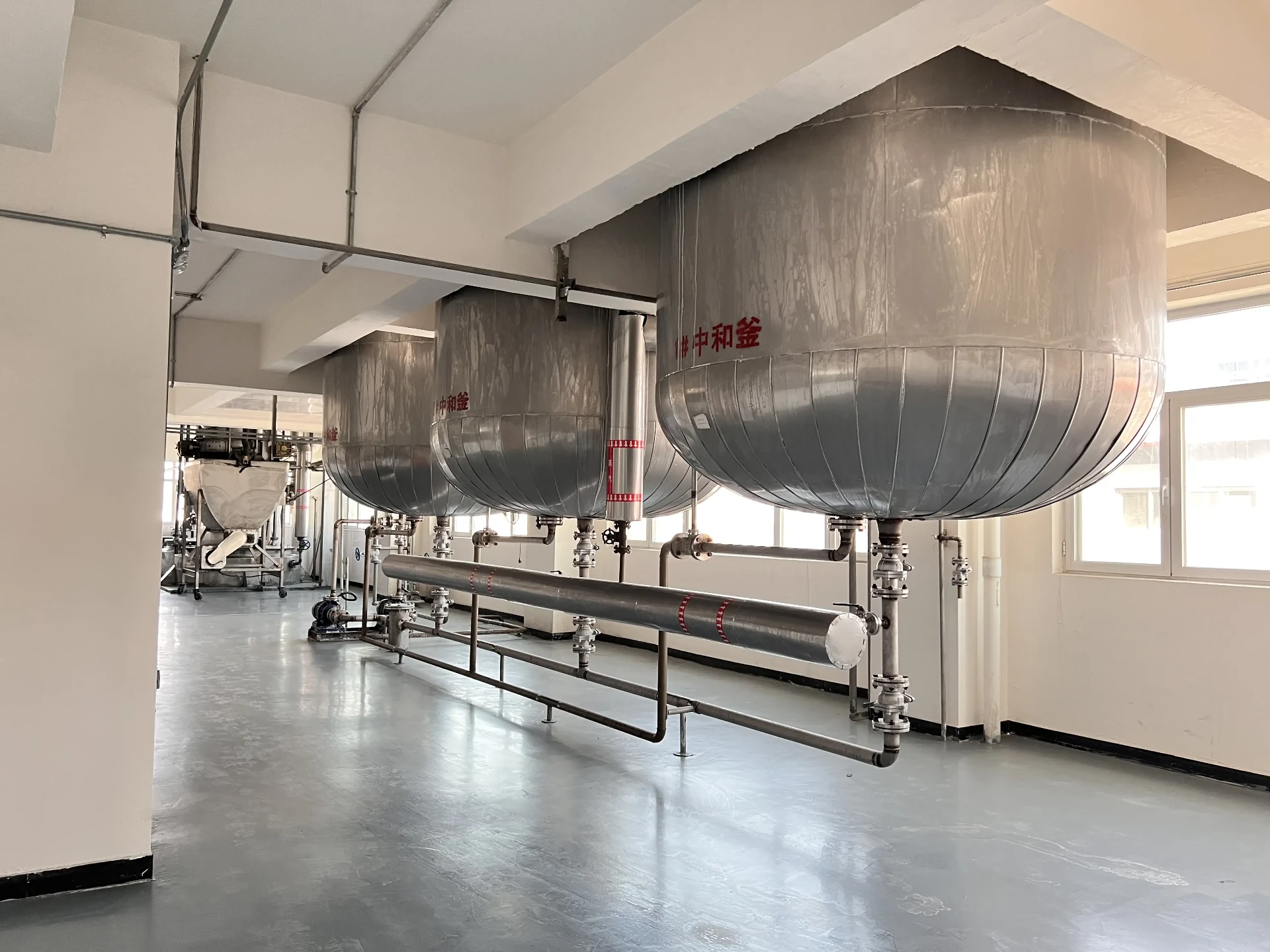
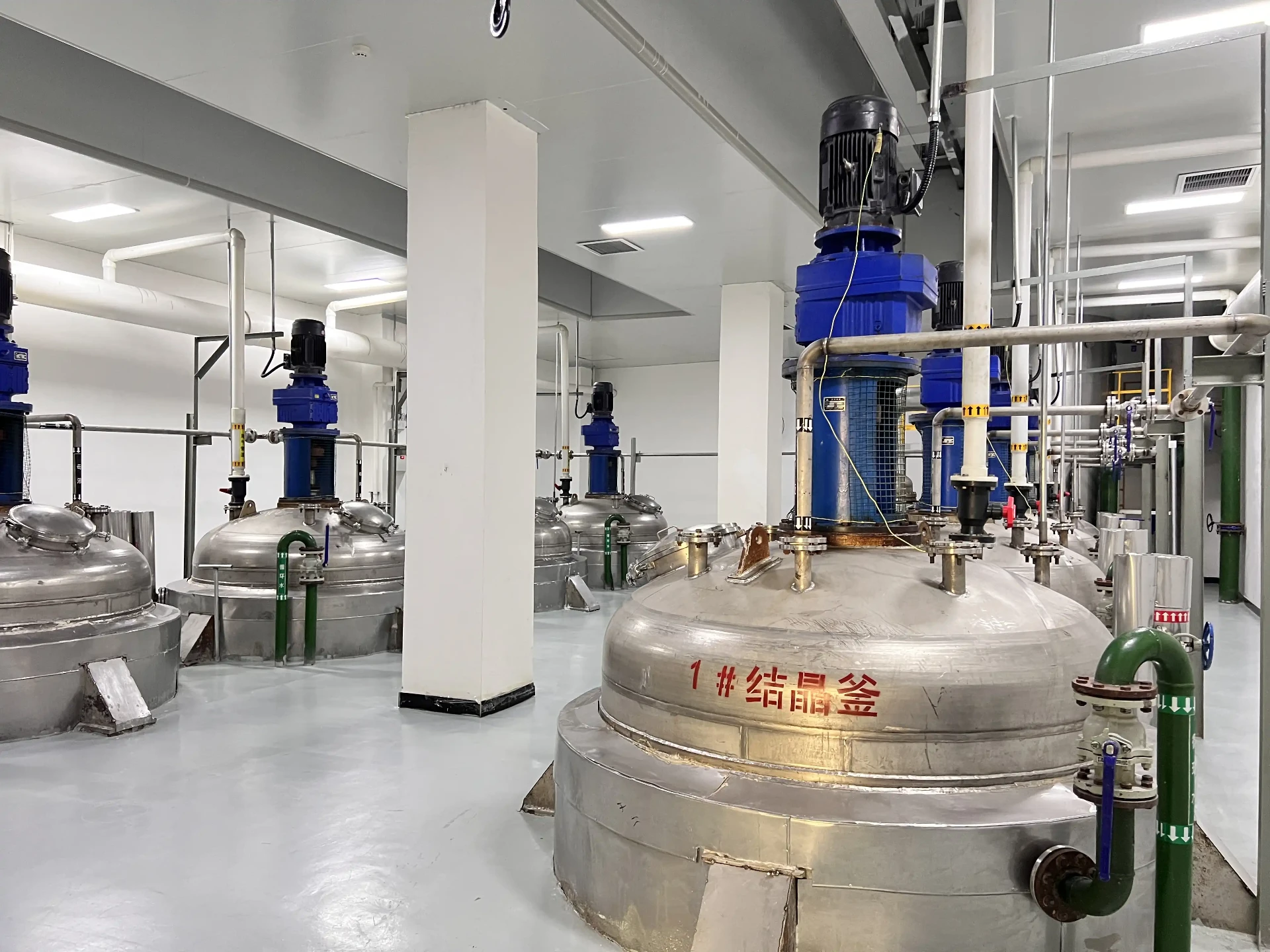
Sinoright sodium saccharin production facility - ISO 9001 & FSSC 22000 certified

In-house quality control lab - every batch of sodium saccharin tested before shipment
Frequently Asked Questions
Is sodium saccharin safe for human consumption?
Yes. Sodium saccharin (E954) is approved as safe by the U.S. FDA, the European Food Safety Authority (EFSA), JECFA (WHO/FAO), and China's National Health Commission. In 2020, EFSA completed a full re-evaluation of saccharin and its salts (including sodium saccharin) and confirmed their safety at the established Acceptable Daily Intake (ADI) of 5 mg/kg body weight/day. The historical concern about bladder cancer in rats has been scientifically proven not to apply to humans due to different metabolic and physiological mechanisms. Saccharin was removed from the U.S. National Toxicology Program's list of carcinogens in 2000.
What is the difference between sodium saccharin dihydrate and anhydrous?
The difference lies in water of crystallization. Sodium saccharin dihydrate (CAS 6155-57-3) contains two molecules of water (·2H₂O) in its crystal structure, with a molecular weight of 241.20 g/mol and loss on drying ≤15%. Sodium saccharin anhydrous (CAS 128-44-9) contains no water of crystallization, with a molecular weight of 205.17 g/mol and loss on drying ≤6%. The dihydrate is the standard commercial form; the anhydrous form is suitable for applications where precise water content control is required, such as dry powder mixes and certain pharmaceutical formulations.
Is saccharin still banned? Why was it taken off the market?
Saccharin was never permanently banned. In the 1970s, the FDA proposed a ban based on a rat study that showed bladder tumors at extremely high doses. However, subsequent research demonstrated that the carcinogenic mechanism in rats - involving urinary crystal formation and high-protein urine - does not occur in humans. The U.S. National Toxicology Program officially removed saccharin from its list of carcinogens in 2000, and the U.S. Congress repealed the warning label requirement in 2001. Today, saccharin (E954) and its sodium salt are approved for use in over 100 countries worldwide.
What grades of sodium saccharin do you supply and do you provide COA?
We supply multiple grades including BP/USP/EP (pharmaceutical and food grade), FCC (Food Chemicals Codex), food grade, feed grade, and industrial grade. A detailed Certificate of Analysis is provided with every shipment, and a representative COA is available for review before ordering.
What is your MOQ? Can I request a sample?
Our standard MOQ is 1,000 kg. Free samples of up to 500 g are available for quality evaluation - you only pay the shipping cost. Contact our sales team to arrange a sample.
How should sodium saccharin be stored?
Store in a cool, dry place (≤25°C) in the original sealed packaging. Keep away from direct sunlight, heat sources, and moisture. Under recommended storage conditions, the shelf life is 2 years from the manufacturing date.
Packaging & Shipping
|
Packaging Type |
Net Weight |
Qty per 20' FCL |
|
25 kg/bag (PE liner + woven bag) |
25 kg |
20 MT |
|
25 kg/carton |
25 kg |
20 MT |
|
25 kg/fiber drum |
25 kg |
20 MT |
- Port of Loading: Dalian / Qingdao / Shanghai, China
- Lead Time: 7–10 days after order confirmation
- Sample: Free sample (up to 500 g) available; customer pays shipping cost


Hot Tags: Sodium Saccharin (E954), China Sodium Saccharin (E954) manufacturers, suppliers, factory, corn maltodextrin in formula, sucralose and diabetes, equal gold, cane sugar, sucralose, maltrin m100 maltodextrin


